



A Different Way of
Seeing Human Health
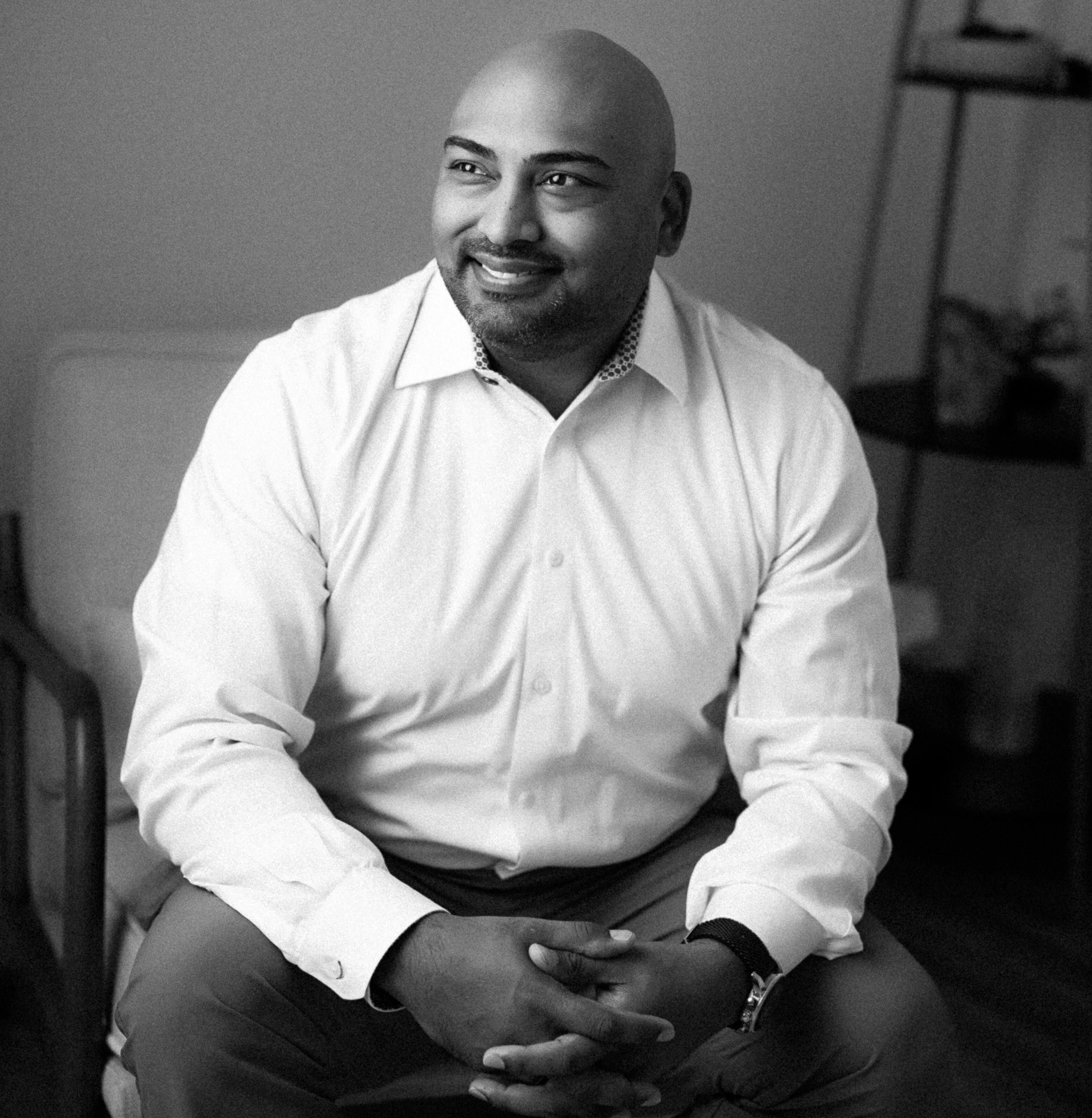
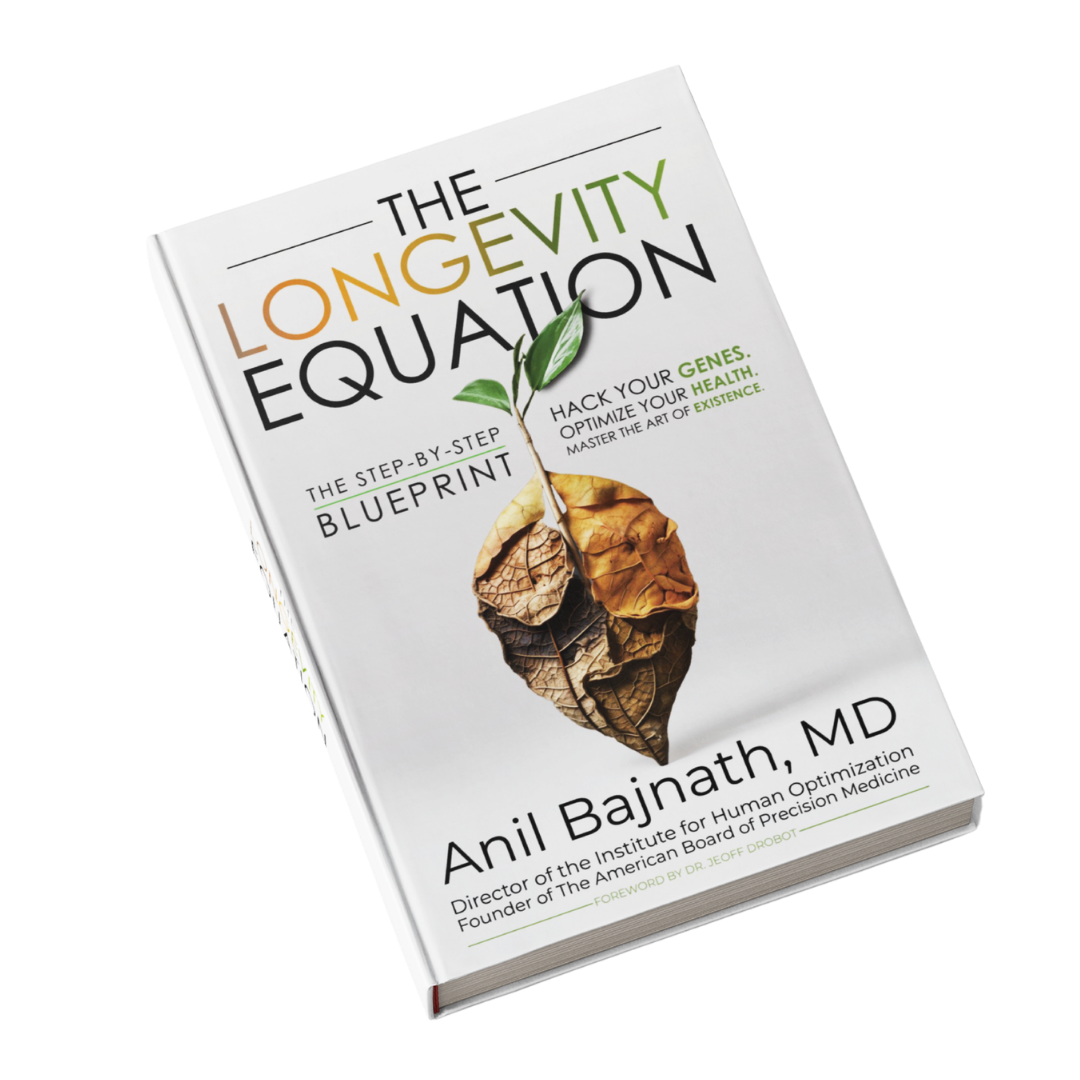
Dr. Anil Bajnath, MD, MBA, IFMCP, ABAARM, FAASCP is a board-certified Family Physician, longevity scientist, and the founder of both the Institute for Human Optimization and the American Board of Precision Medicine. He is the author of The Longevity Equation and Adjunct Professor at the George Washington University School of Medicine — where he is Course Director for Clinical Genomics, Proteomics & Metabolomics.
Anil Bajnath, MD, MBA, IFMCP, ABAARM, FAASCP is a board-certified Family Physician and the Founder & President of the American Board of Precision Medicine. He serves as Adjunct Professor in the Department of Clinical Research and Leadership at the George Washington University School of Medicine, where he is Course Director for INTM 6205: Clinical Genomics, Proteomics & Metabolomics.
Dr. Bajnath earned his BS in Molecular-Cellular Microbiology and Medical Laboratory Sciences at the University of Central Florida, graduated with honors from Ross University School of Medicine (MD, 2014), and received a scholarship for his MBA from the Keller School of Business Administration with a focus in Healthcare Services. He completed his residency with the University of Maryland Department of Family and Community Medicine in January 2019, and during training assisted and published research with the Cleveland Clinic Hospital Department of Nephrology.
Beyond board certifications, Dr. Bajnath completed an extensive seminar series in European Biological Medicine with the Paracelsus Clinic and achieved Master Instructor status with the Institute for Human Individuality (MIfHI) — an organization pioneering nutrigenomic systems biology and network medicine. He also holds advanced training in Clinical Nutrition, Medical Acupuncture, Herbal Medicine, and Clinical Homeopathy, and is a Fellow of the American Academy of Stem Cell Physicians (FAASCP).
His primary research interests include pharmacogenomics, nutrigenomics, and microbiome sciences. He actively researches how genomic data, prescriptive nutrition, and personalized wellness protocols can be applied to optimize outcomes — moving medicine from symptom suppression toward root-cause resolution and strategic biological optimization.
"Most people will die from one of four diseases — cardiovascular disease, cancer, neurodegeneration, or metabolic dysfunction. The challenge is not that these conditions exist, but that their earliest biological signals are often detectable and modifiable before symptoms arise."
— Anil Bajnath, MD